What Tests Are Included in a Routine Eye Exam?

What Tests Are Included in a Routine Eye Exam?

What Tests Are Included in a Routine Eye Exam?

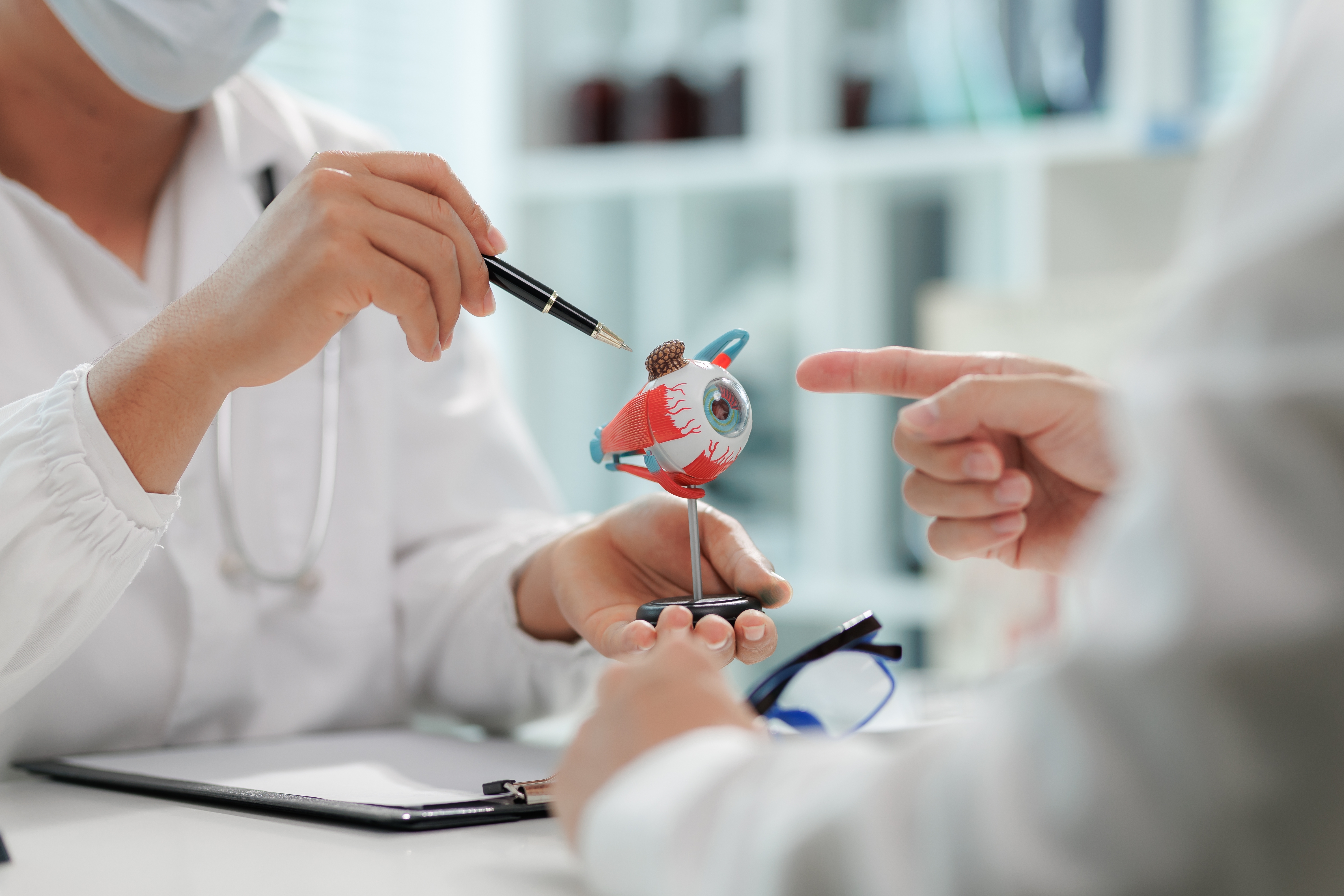
A routine eye exam, also known as a comprehensive eye exam, is more than a quick vision check. Even if your eyesight seems clear, regular eye exams help your eye doctor evaluate how well your eyes work, how healthy they are, and whether your prescription has changed. At Ives Family Eye Care, routine eye exams are designed to give patients a clearer understanding of their vision and overall eye health.
Visual Acuity Testing
One of the first parts of a routine eye exam is a visual acuity test. This is the familiar chart test where you read letters from a distance. It helps your eye doctor measure how clearly you can see and whether you may need glasses, contact lenses, or an updated prescription.
Visual acuity testing can also help detect subtle changes in vision that may not be obvious in daily life. Many patients do not realize their vision has shifted until they compare one eye to the other or see the difference with a corrected lens.
Refraction And Prescription Check
A refraction test helps determine your exact eyeglass or contact lens prescription. During this part of the exam, your eye doctor uses different lens options and asks which one gives you clearer vision.
This test is important for patients who notice blurry vision, eye strain, headaches, or trouble seeing at night. It also helps make sure your prescription supports comfortable vision for reading, computer work, driving, and everyday tasks.
Eye Muscle And Focusing Tests
Comprehensive eye exams often include tests that check how well your eyes work together. Your eye doctor may evaluate eye movement, focusing ability, and how your eyes align when looking at near and far objects.
These tests can help identify issues that may contribute to double vision, eye fatigue, reading discomfort, or trouble maintaining focus. For children, these evaluations are especially important because eye teaming and focusing issues can affect learning and classroom performance.
What Else Your Eye Doctor May Check
A routine eye exam may also include several tests that evaluate the health and function of your eyes, including:
- Peripheral vision to check side vision and detect possible blind spots
- Pupil response to see how your eyes react to light
- Eye pressure testing to help screen for glaucoma risk
- Front eye evaluation to check the cornea, lens, and other visible structures
- Retinal evaluation to examine the back of the eye for signs of disease or damage
These tests give your eye doctor a more complete view of your eye health, not just your ability to read an eye chart.
Retinal And Eye Health Evaluation
During a comprehensive eye eye exam, your eye doctor may examine the retina, optic nerve, and blood vessels inside the eye. This part of the exam can help detect signs of eye diseases such as glaucoma, cataracts, macular degeneration, and diabetic eye disease.
Because many eye conditions develop slowly, early detection matters. A routine eye exam can reveal changes before they cause noticeable symptoms, giving your eye doctor the opportunity to monitor your eye health and recommend care when needed.
Why Routine Eye Exams Matter
Routine eye exams help protect both vision and long-term eye health. They are useful for updating prescriptions, diagnosing common vision problems, monitoring existing conditions, and catching early signs of disease.
Whether you wear glasses or contacts, have perfect vision, or have not had an exam in years, regular eye care is an important part of staying proactive about your health.
Give your eyes the attention they deserve - schedule a comprehensive eye exam at Ives Family Eye Care in Miami, FL by calling (786) 755-1800.


Our Services
Contact Info
Hours of Operation
- Monday 9:00 AM - 5:00 PM
- Tuesday 9:00 AM - 6:00 PM
- Wednesday 9:00 AM - 6:00 PM
- Thursday 9:00 AM - 5:00 PM
- Friday 9:00 AM - 5:00 PM
- Saturday By appointment only
- Sunday Closed
© 2026 Ives Family Eye Care. All Rights Reserved. Accessibility Statement - Privacy Policy - Sitemap
Powered by:
